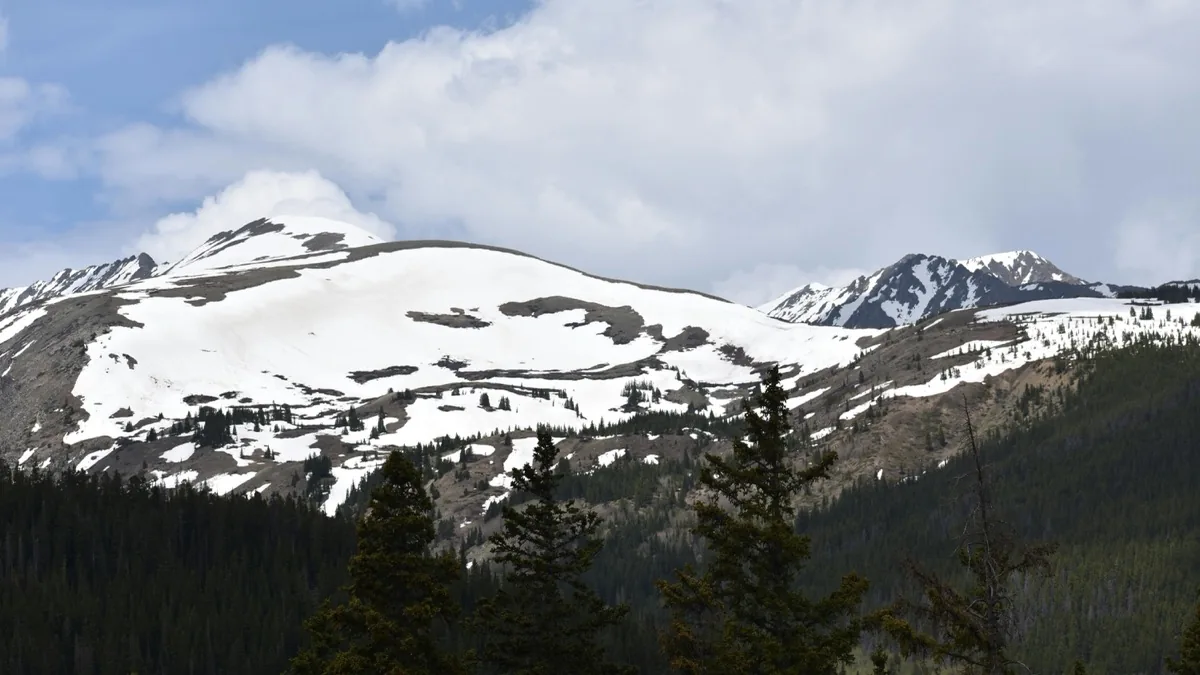
Colorado's high altitude changes everything about drywall work. At 5,280 feet in Denver and higher in the mountains, joint compound dries faster than manufacturers intended. What should be a smooth, gradual cure turns into rapid surface drying that leaves the mud prone to cracking and poor adhesion. Experienced Colorado drywall pros learn to adjust their mud consistency and work in smaller sections.
The dry climate cuts both ways. On one hand, you'll rarely deal with mold or humidity-related problems that plague contractors in coastal states. On the other hand, that lack of moisture causes its own issues. Wood framing shrinks significantly after construction, leading to nail pops and seam cracks that show up within the first year or two of a new build.
Colorado's building stock reflects its history. Denver's older neighborhoods feature Victorian-era homes with plaster walls and balloon framing. Mid-century ranch houses spread across the suburbs during the 1950s and 60s boom. Modern construction in areas like Aurora and Highlands Ranch uses contemporary materials but still faces the altitude and climate challenges unique to the Front Range.
The state also has significant temperature swings. A January day might hit 60 degrees before dropping below zero that night. These rapid changes stress drywall joints and seams more than gradual seasonal shifts, making proper taping and mudding techniques critical for long-lasting results.
Common Colorado Considerations
- Rapid compound drying at altitude
- Nail pops from lumber shrinkage
- Temperature swing cracking
- Settlement cracks in new construction
- Low humidity finishing challenges
Local Requirements: Colorado follows International Residential Code; no statewide contractor licensing but local requirements vary by municipality