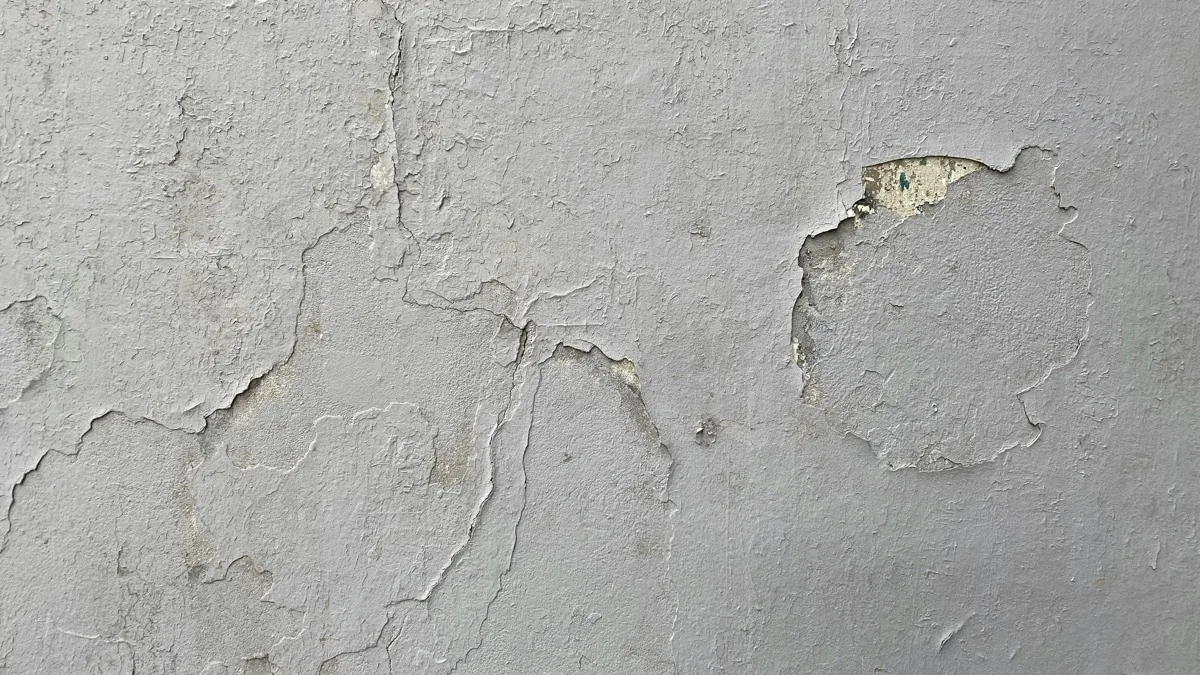
Why New Drywall Absorbs Paint Differently
Finished drywall has two very different surfaces sitting side by side. The drywall paper is moderately absorbent and accepts paint relatively evenly. Joint compound, when dry, is highly porous and pulls paint in like a sponge. Apply paint over both without sealing them first and you get what's called flashing: those dull spots where the compound shows through at a different sheen than the surrounding wall.
Flashing is especially bad in raking light. Looking straight at the wall everything can appear fine. Then afternoon sun hits the window at an angle and every seam pops. Every screw dimple becomes a shadow. I had done genuinely good work and the light was making it look like I'd done none at all.
What PVA Primer Actually Does
PVA stands for polyvinyl acetate. PVA drywall primer is specifically formulated to seal the porous surface of dried joint compound, bringing its absorption rate closer to the surrounding drywall paper. The result is a uniform foundation where paint absorbs and dries consistently across the whole wall.
It's also cheap. A five-gallon bucket of Glidden PVA Drywall Primer runs about $35 at Home Depot and covers a significant area. USG, which makes the joint compound I use, is explicit in their finishing guidelines that PVA or drywall primer-sealer should be applied before painting any new drywall work. I had read dozens of drywall tutorials and missed this step every single time.
Standard latex primers can work in a pinch but don't seal compound as effectively as dedicated PVA. The main exception: if you skim coat the entire surface with a thin layer of compound, you create a uniform base and the flashing problem mostly disappears. But for a standard Level 4 finish going straight to paint, PVA is the right move.
Fixing the Problem
Brent's diagnosis was correct, which meant undoing what I'd done. I let the paint dry completely, then sanded the walls lightly with 120-grit to knock down roller texture and open the surface. You can't apply PVA over dried latex paint and expect it to function properly. The primer needs to hit the compound directly.
In the worst sections I stripped paint off the seam areas with a drywall knife and sanding block. Not a full skim-coat removal, just enough to get primer onto bare compound in the places where the flashing was worst. Then I rolled PVA primer across the entire room, waited the two hours the label recommends, and applied fresh paint.
The difference was immediate. No flashing. Uniform color. The seams were gone again, the same as before I'd picked up that first roller. Total extra cost: about $42 for primer and a fresh roller sleeve, plus the weekend I lost. Painful but fixable.
Other First-Paint Mistakes on Fresh Drywall
The PVA issue was my big one, but it's not the only problem waiting for first-timers.
Using a heavy-nap roller can raise the paper fibers on the drywall face. A 3/8" nap roller is usually right for smooth walls. Thick nap rollers are for textured surfaces. On fresh drywall, stick to 3/8" and work in sections to keep a wet edge.
Skipping primer entirely and applying two coats of paint is something I've seen attempted. It sometimes looks acceptable right after painting and then shows flashing over the next few weeks as the paint cures. PVA dries fast and adds maybe an hour to a project. There's really no reason to skip it on new work.
Painting when a room is cold is another one. Below about 55°F, paint drags and applies unevenly over compound. The room should be at painting temperature for at least 24 hours before you start, not just warmed up right before.
The Step I Now Do Without Thinking
The spare bedroom eventually turned out fine. Brent helped me pick a warm gray that I actually liked after I'd bought the wrong color twice. In any light, the walls are flat and even, which is really the only test that matters.
These days PVA primer is the first thing that goes in the cart whenever I'm prepping to paint new drywall. Before paint, before roller covers, before anything. It's a small can of liquid that costs about the same as a fast food lunch, and it's the gap between a room that looks professional and one full of visible seams.